Cessna Nose Gear Strut Assembly: Aircraft Landing Gear Support and Shock Absorption
Cessna Nose Gear Strut Assembly: Aircraft Landing Gear Support and Shock Absorption
Blog Article
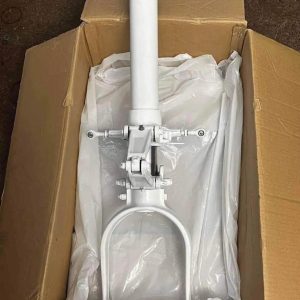
The Cessna Nose Gear Strut Assembly provides structural support, shock-management capability, and ground-handling stability for an appropriately verified Cessna aircraft installation.
Whether buyers search for a Cessna Nose Landing Gear Strut, Cessna Nose Gear Assembly, Cessna Landing Gear Strut, or Cessna Nose Strut, exact part identification should guide the purchase.
The Aircraft Nose Gear Strut must maintain suitable alignment, movement, sealing, structural integrity, and connection with surrounding components.
The Cessna Landing Gear Assembly functions as a coordinated system, while the Aircraft Landing Gear Strut should not be evaluated separately from its mounts, steering, wheel, tire, and surrounding structure.
The Cessna Steering Strut Assembly, Cessna Replacement Nose Gear, and General Aviation Landing Gear Parts keywords describe commercially relevant searches for maintenance and restoration projects.
Key Details of an Aircraft Nose Strut
A unit should not be accepted as compatible solely because it came from an aircraft within the same general Cessna family.
The buyer should determine whether the listing check here includes a complete Cessna Nose Gear Assembly or only selected parts of the system.
How the Nose Gear Supports the Airframe
The nose gear supports a portion of the aircraft’s ground weight and transfers loads into designated airframe attachment points.
Professional structural review protects the aircraft and the Replacement Nose Gear installation.
Understanding the Cessna Shock Strut Assembly
A shock strut is designed to compress and extend in a controlled manner as the aircraft encounters landing and ground loads.
Servicing values should come from applicable maintenance information rather than estimates based on another Cessna model.
Inspecting Steering Links and Torque Components
The nose gear may interact with the aircraft steering system through collars, torque links, rods, springs, cables, stops, bushings, or other model-specific mechanisms.
Excessive turning can damage linkage, hoses, fairings, fork components, or internal strut features depending on the design.
Avoiding Universal Cessna Fitment Claims
Compatibility depends on the exact Cessna model, aircraft serial-number range, landing-gear configuration, part number, modification status, wheel arrangement, steering system, and surrounding structure.
Qualified applicability research supports responsible Cessna Replacement Nose Gear selection.
Inspecting for Scoring, Pitting, and Wear
A polished surface may still contain dimensional wear that requires measurement.
Internal wear can result from contamination, damaged seals, misalignment, corrosion, or prolonged operation with incorrect servicing.
Inspecting the Nose Gear Strut for Leaks
Fluid leakage around the piston, seals, fittings, plugs, or servicing points can indicate deteriorated seals, damaged surfaces, loose components, contamination, or incorrect assembly.
Professional service supports reliable shock absorption and reduced maintenance recurrence.
Maintaining Protective Finishes
Corrosion may develop on external surfaces, inside bores, around fasteners, beneath paint, near mounting points, or within neglected fluid areas.
Fresh paint may improve appearance while concealing corrosion, filler, weld repairs, or damaged surfaces.
Checking for Hard-Landing or Towing Damage
The absence of obvious damage in photographs does not establish structural integrity.
Straightening, welding, machining, or other repair history should be documented.
Wheel Fork, Axle, and Nose Wheel Components
Clear package information helps buyers estimate the complete repair cost.
Tire condition can influence shimmy, ground handling, and visible strut behavior.
Torque Links, Bushings, and Pivot Points
Torque links and related pivot components help maintain alignment between moving portions of many nose gear strut designs.
Lubrication should follow the applicable schedule and use the appropriate product.
Diagnosing Cessna Nose Gear Handling Concerns
Operational reports should identify when the vibration occurs and under what taxi or landing conditions.
Professional evaluation promotes smoother ground handling and longer component life.
Servicing the Cessna Shock Strut
Values from another Cessna model should not be applied without verification.
Extension should be evaluated under the loading condition specified by applicable maintenance data.
Documenting Landing Gear Repair Work
Clear terminology helps buyers understand the actual condition of the assembly.
A professionally overhauled unit should remain connected with the correct part and serial information.
Buying a Cessna Nose Gear Strut Assembly
Any uncertainty regarding fitment, impact history, corrosion, leakage, repairs, or package completeness should be resolved before shipment.
- Confirm the complete Cessna part number, dash number, serial or casting markings, aircraft model, serial-range applicability, strut type, dimensions, and configuration.
- Do not treat clean paint, smooth movement, or a removed-serviceable statement as proof of current installation eligibility.
- Require packaging that supports the strut and protects the piston surface, cylinder, fork, axle, steering components, fittings, identification markings, records, and loose hardware from impact, corrosion, and movement.
Shipping the Cessna Nose Gear Assembly
Professional packaging helps preserve the condition of the Aircraft Nose Gear Strut.
The receiver should inspect the crate for impact, puncture, water exposure, or shifting before opening.
Protecting the Cessna Nose Strut
Responsible storage preserves the future usefulness of the Cessna Nose Strut.
A stored assembly should not be installed solely because it was previously considered serviceable.
Professional Installation of the Nose Gear Strut
Installation should be completed by appropriately qualified aviation maintenance personnel using applicable Cessna airframe, landing-gear, steering, and component information.
Fasteners should be installed, tightened, secured, and documented according to applicable procedures.
Any abnormal indication should receive prompt evaluation before further operation.
Caring for the Strut, Fork, and Steering System
Small leaks, corrosion, looseness, tire wear, damaged coatings, unusual noise, or shimmy should receive timely attention.
Recurring concerns should prompt system-level evaluation rather than repeated isolated adjustments.
Commercial Value of a Cessna Nose Gear Assembly
Clean paint may improve presentation but does not replace structural, dimensional, and functional evaluation.
Commercial evaluation should focus on verified suitability rather than promotional claims.
Cessna Nose Gear Assembly Conclusion
For a properly matched Cessna aircraft, the assembly can support dependable ground handling when professionally inspected, serviced, installed, and maintained.
The strongest purchasing decision begins with confirming the exact Cessna part number, dash number, aircraft model, serial-range applicability, strut configuration, dimensions, mounting points, steering system, fork, axle, bushings, seals, corrosion status, repair history, and documentation.
Whether the assembly is purchased for maintenance, overhaul, restoration, spare inventory, resale, or an aircraft project, transparent information and qualified oversight provide the strongest foundation.
With responsible purchasing, crack and corrosion inspection, seal evaluation, correct hardware, controlled servicing, and ground-handling checks, the component can remain a valuable aviation asset.
Report this page